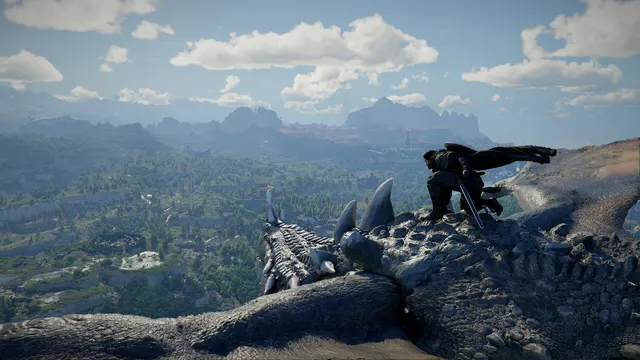
GTA VI Launches Today, NVIDIA's $115.8B Quarter & Epic vs Apple

Here is everything that mattered in gaming and tech on 18 November 2026: Grand Theft Auto VI launches tomorrow, November 19; Meet the 2026 App Store Award finalists; NVIDIA Q3 Fiscal 2027 Results; Epic accuses Apple of withholding 122,000 documents, seeks daily fines. Plus quick hits on NVIDIA RTX Spark Compact Desktops Out Now; Nvidia Halts AI Chip Sales to China; NVIDIA Expands Commitments With Supply Chain Partners; Google Vids lets anyone make free personal avatars.
Grand Theft Auto VI launches tomorrow, November 19

PlayStation has officially confirmed that Grand Theft Auto VI is set to launch on November 19. The game takes place in a new state called Leonida, which includes the iconic locations of Vice City and the Leonida Keys. Leonida is made up of six regions: Vice City, the Leonida Keys, Grassrivers, Port Gellhorn, Ambrosia and Mount Kalaga.
The story follows two main characters, Jason Duval and Lucia Caminos, who are drawn into a criminal conspiracy that spans across Leonida. They must rely on each other to survive as they navigate the dangers of this vast new world. The setting includes neon-lit streets and a mix of environments that promise an immersive experience.
PlayStation describes it as the biggest and most immersive evolution of the series yet.
Sources: PlayStation Blog · Xbox Wire
Meet the 2026 App Store Award finalists

Apple has announced 45 finalists for its 2026 App Store Awards, recognizing developers across all its platforms including iPhone, iPad, Mac, Apple Vision Pro, and more. The selection highlights a mix of innovative apps and games that showcase exceptional user experience, design, and cultural impact. Among the contenders are ElevenReader and Raylie for iPhone, while BALL x PIT and DAVE THE DIVER stand out in the gaming category for their creative approaches.
The finalists also include apps focused on making a meaningful difference, such as Brilliant for teaching math and science, and Hearing Buddy to assist those who are deaf or hard of hearing. Other entries like chilli encourage environmental action through political engagement, while Karrot promotes sustainable practices among neighbors. These selections reflect Apple’s emphasis on both entertainment and real-world utility.
Carson Oliver, Apple's vice president of App Store, praised the finalists for redefining how users connect and experience technology. The winners will be revealed in the coming weeks, offering a glimpse into the future of app innovation and design.
Sources: Apple Newsroom · 9to5Mac
NVIDIA Q3 Fiscal 2027 Results

NVIDIA has released its Q3 fiscal 2027 financial results, reporting a total revenue of $115.8 billion. This represents an increase of 103% compared to the same period last year and a 20% rise from the previous quarter. Data Center revenue reached $107.6 billion, up 110% year-over-year, driven by the shipment of the Vera Rubin NVL72 platform.
The company returned $28.1 billion to shareholders during the quarter through share repurchases and dividends. NVIDIA also approved a significant $150 billion increase in its share buyback program, with approximately $227.3 billion remaining available under this authorization as of the end of the quarter. The firm plans to pay a quarterly cash dividend of $0.25 per share in December 2026.
NVIDIA’s interim CEO highlighted the company's strong momentum and innovation, emphasizing the success of the Vera Rubin platform and confidence in its future roadmap.
Sources: NVIDIA Newsroom
Epic accuses Apple of withholding 122,000 documents, seeks daily fines
Epic Games has filed a new complaint against Apple, alleging that the company is withholding over 122,000 documents related to how it determined its proposed App Store commission rates. The filing asks the court to impose daily fines on Apple until the documents are provided. Apple claims many of these files are not relevant, but Epic argues this is a tactic to delay the case, similar to past strategies used by the company.
The dispute stems from a 2020 lawsuit where Epic challenged Apple’s App Store policies, leading to a court ruling that required Apple to allow alternative payment methods. Despite allowing external links, Apple imposed a commission of up to 27% on purchases through them, which led to a contempt finding. Now, the case is moving toward determining what commission rates Apple may apply to payments made outside the App Store.
Epic’s latest filing highlights ongoing tensions over document production in the legal battle. While Apple has submitted its proposal for commission rates ranging from 5% to 15%, Epic claims Apple is not fully cooperating. The outcome of this dispute could significantly impact how developers are charged for in-app purchases, shaping future industry practices.
Sources: 9to5Mac
Quick Hits
NVIDIA RTX Spark Compact Desktops Out Now
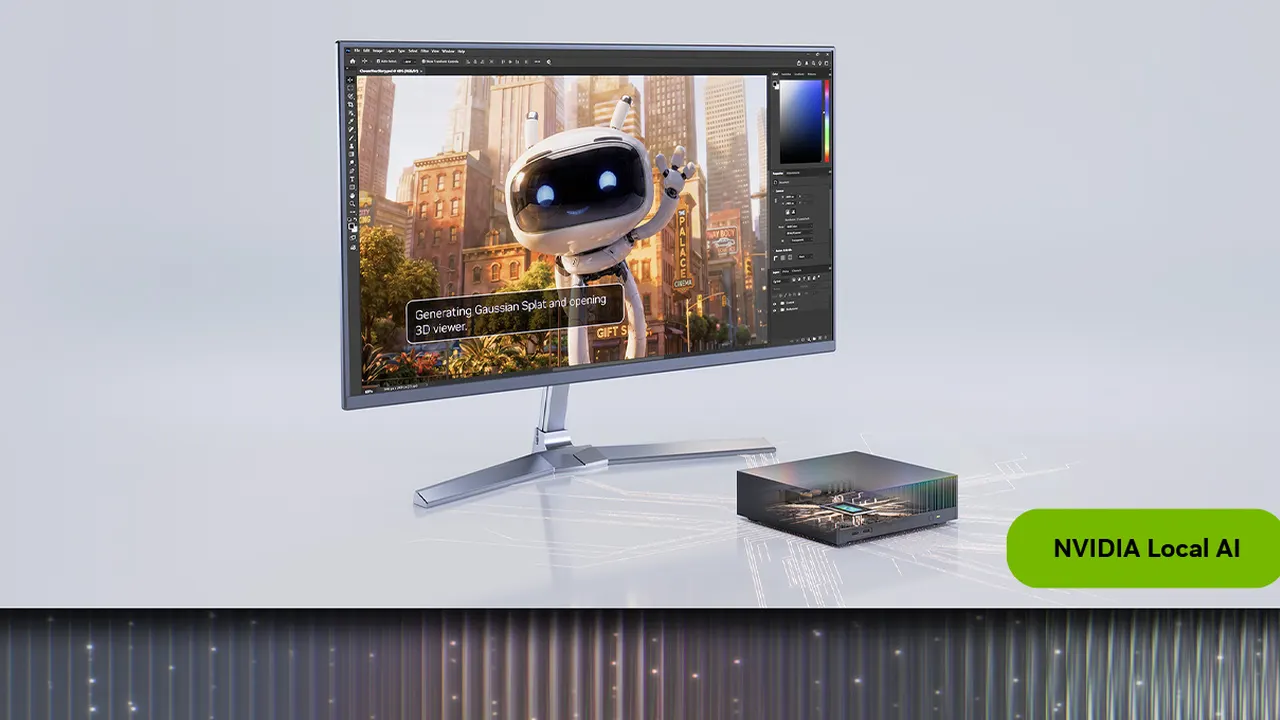
NVIDIA has released new RTX Spark compact desktops, now available from ASUS, Dell, and MSI. These systems are designed to handle local AI tasks such as image and video generation, model fine-tuning, and even large language models with up to 120 billion parameters. They feature a 20-core Grace CPU, a Blackwell GPU with 6,144 CUDA cores, and up to 128GB of unified memory. The desktops support real-time rendering of 90GB+ 3D scenes and smooth editing of 4:2:2 video.
The new systems also include support for Adobe’s Windows on Arm apps, Blender’s DLSS Ray Reconstruction, and ComfyUI’s local generation workflows. According to NVIDIA, these desktops offer a dedicated environment for running AI agents and scheduled tasks continuously while allowing users to work offline and avoid cloud API costs.
Sources: NVIDIA Newsroom
Nvidia Halts AI Chip Sales to China
Nvidia has paused the sale of advanced AI chips to China, according to interim CEO Colette Kress, who made the announcement during an earnings call. It is a notable shift: under former CEO Jensen Huang, Nvidia fought for the right to ship its H200 chips to China, and it received White House approval to do so in December last year. The move highlights ongoing tensions in the tech sector between the United States and China, particularly regarding high-end semiconductor exports.
Reuters reported earlier this month that around 600,000 H200 chips were stuck in Hong Kong after Beijing withheld approval for large-scale imports, and that China is aiming to reduce its reliance on foreign technology. While Nvidia did not provide a reason for halting shipments or confirm future dealings with the country, the decision reflects broader geopolitical challenges in semiconductor trade.
Sources: The Verge
NVIDIA Expands Commitments With Supply Chain Partners
NVIDIA has strengthened its relationships with key suppliers such as Kinsus and Samsung Electro-Mechanics to enhance substrate and packaging capacities for their GPUs and CPUs. Kinsus will grow the advanced ABF substrate capacity it dedicates to NVIDIA by more than 3.5 times at its Taoyuan campus, with production starting in the second half of 2027 and the extra capacity targeted for the third quarter of 2028. These efforts are part of NVIDIA's strategy to scale AI hardware, with close collaboration from TSMC, Amkor, SPIL, and Foxconn to meet global demand.
NVIDIA announced new agreements with several supply chain partners to support the growth of its accelerated computing and AI infrastructure platforms. The partnerships aim to increase manufacturing capacity across substrates, advanced packaging, and contract manufacturing for current and next-generation products. According to NVIDIA, these collaborations are crucial for aligning production with rising demand and ensuring long-term sustainability in the industry.
Sources: NVIDIA Newsroom
Google Vids lets anyone make free personal avatars
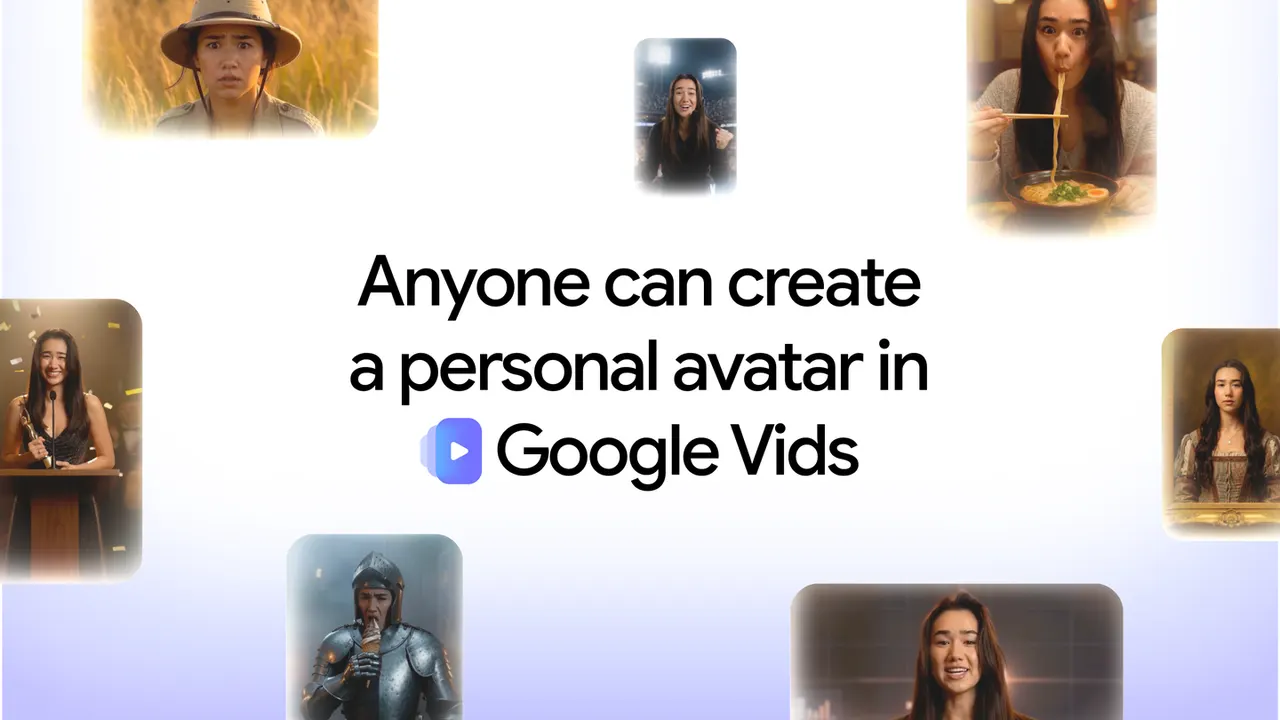
Google has introduced a new feature allowing users with a personal Google account to create free personal avatars through Google Vids. This tool enables individuals to design their own digital likeness and use it across various videos. The update expands access beyond previous Workspace restrictions, making the creation of custom avatars available at no cost. Users can scan a QR code to generate their avatar, which is then integrated into video prompts.
The feature allows users to customize their avatar’s appearance and voice according to their preferences. Avatars are tied to the user's Google account and only reflect the account holder's likeness. This move aims to simplify content creation by eliminating the need for traditional filming setups. According to reports, the availability of free personal avatars represents a significant step toward greater accessibility in digital content production.
Sources: Google Blog · Android Authority